Editorial
Articles
Guides, explainers and how-tos for curious sky watchers. Built on primary sources — NASA/JPL, NOAA SWPC, ESA, IAU and peer-reviewed literature — with links back to the originals so you can check the work yourself.
Guides & articles
16
Total reading time
~174 min
Latest update
19 October 2026
2026 event guides
Once-a-year nights, planned properly
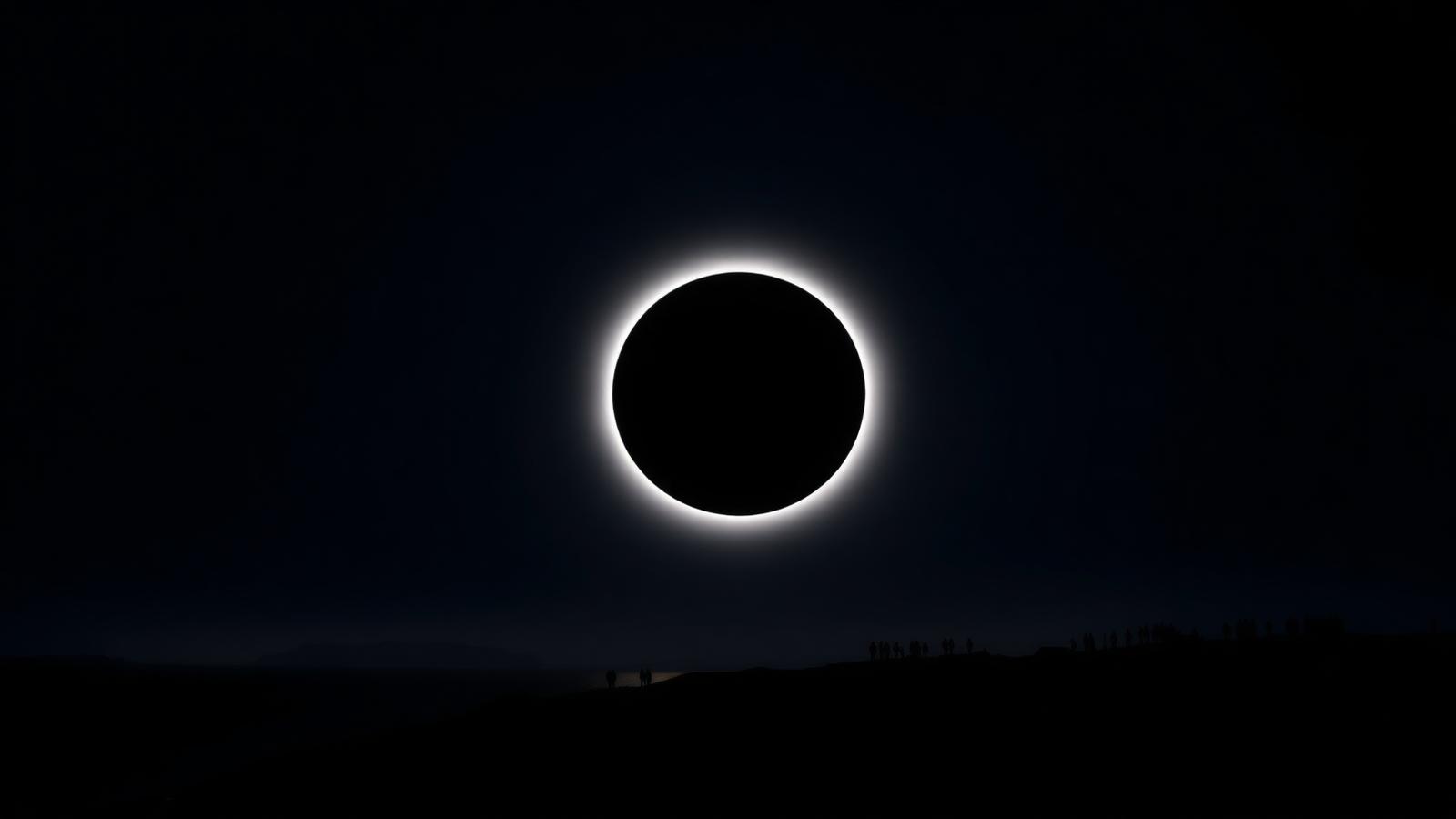
Total Solar Eclipse — August 12, 2026
Europe's first total solar eclipse since 1999. Path across Iceland and northern Spain, local circumstances for your city, and how to watch safely.
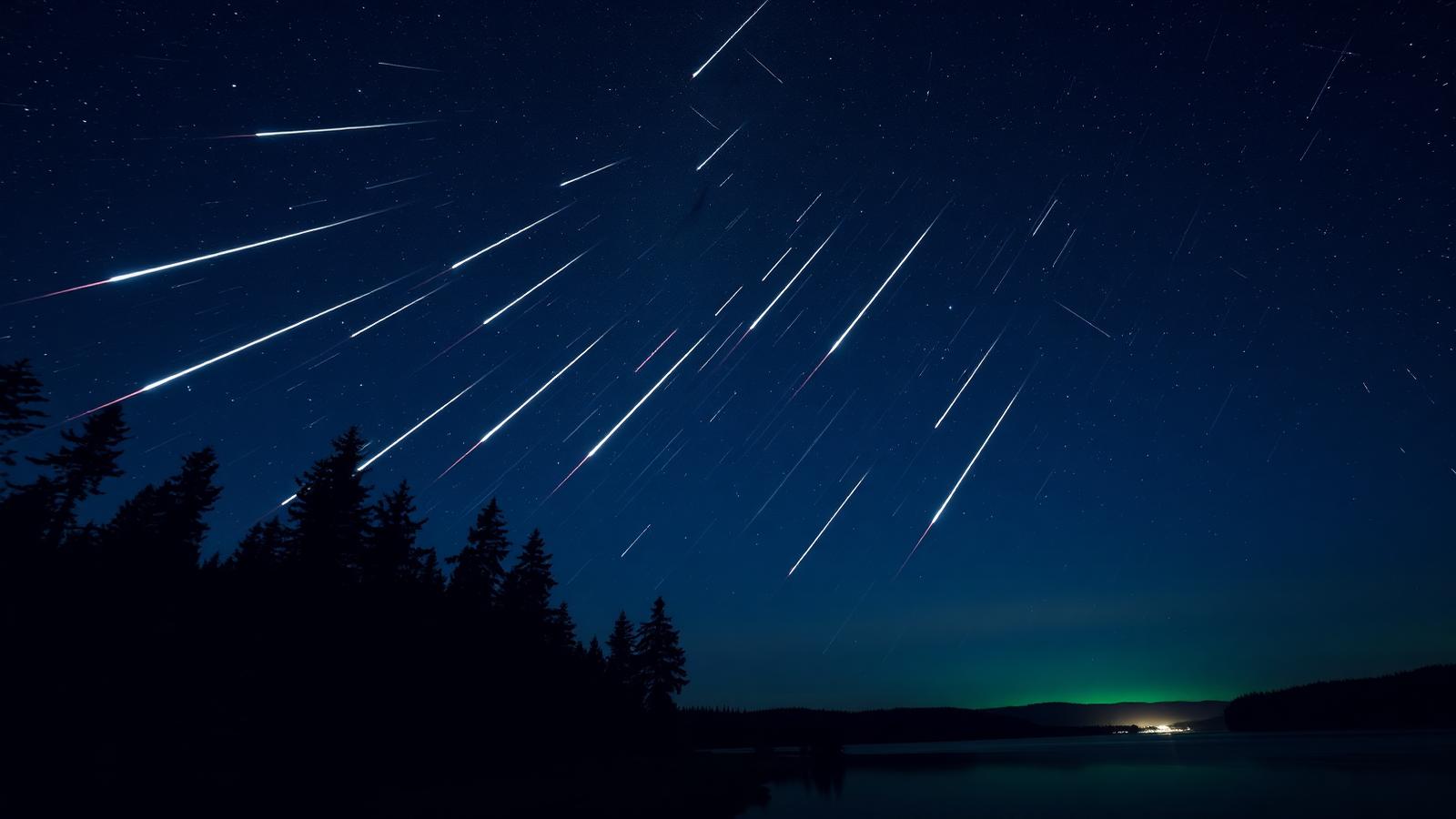
Perseid Meteor Shower 2026
A rare moonless Perseid peak on 12–13 August 2026. Live radiant altitude, best hour and where to look for your location.
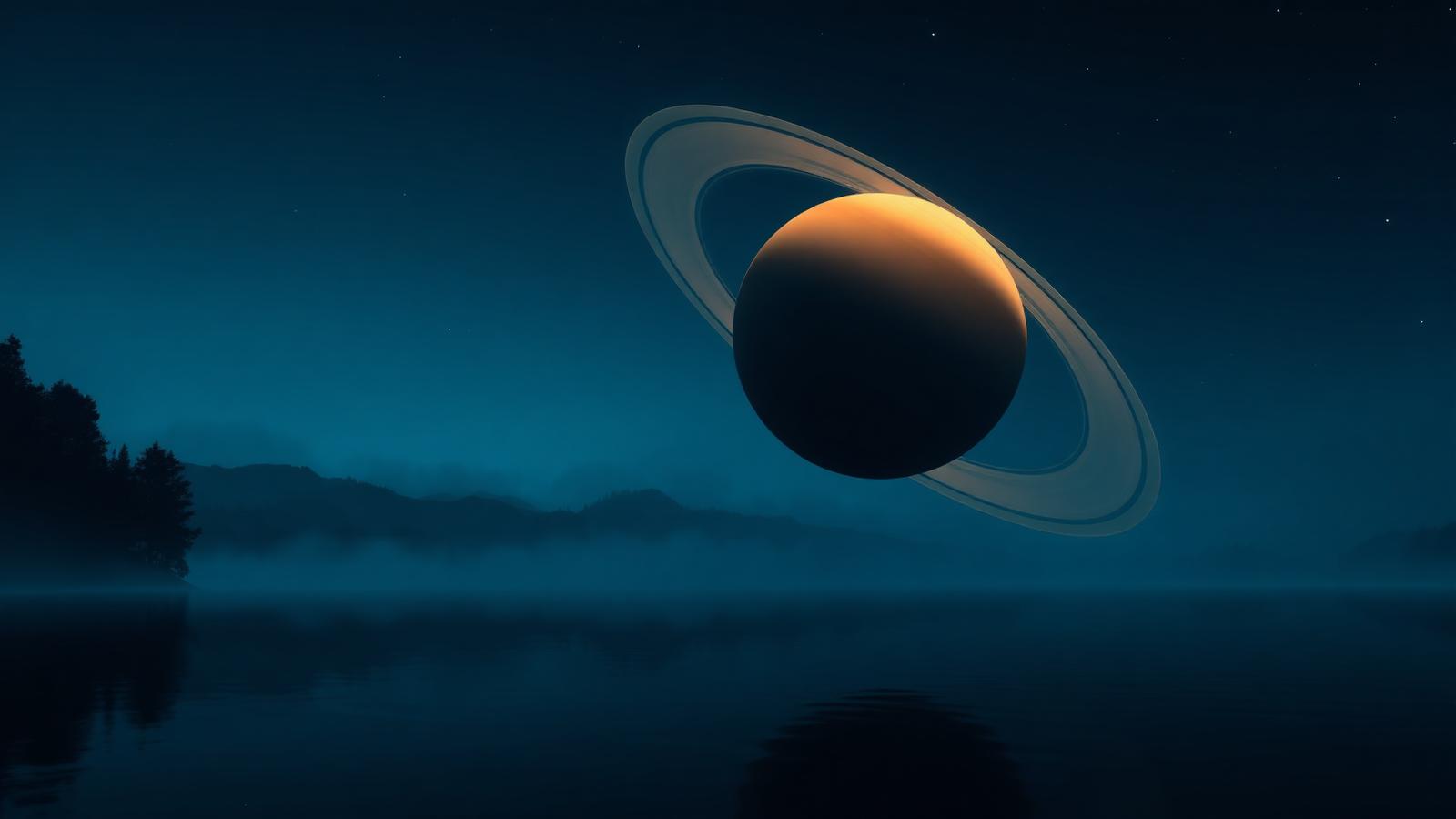
Saturn Opposition 2026
21 September — rings tilted just 1.7° from edge-on. A razor-line Saturn, all night, at magnitude +0.4.
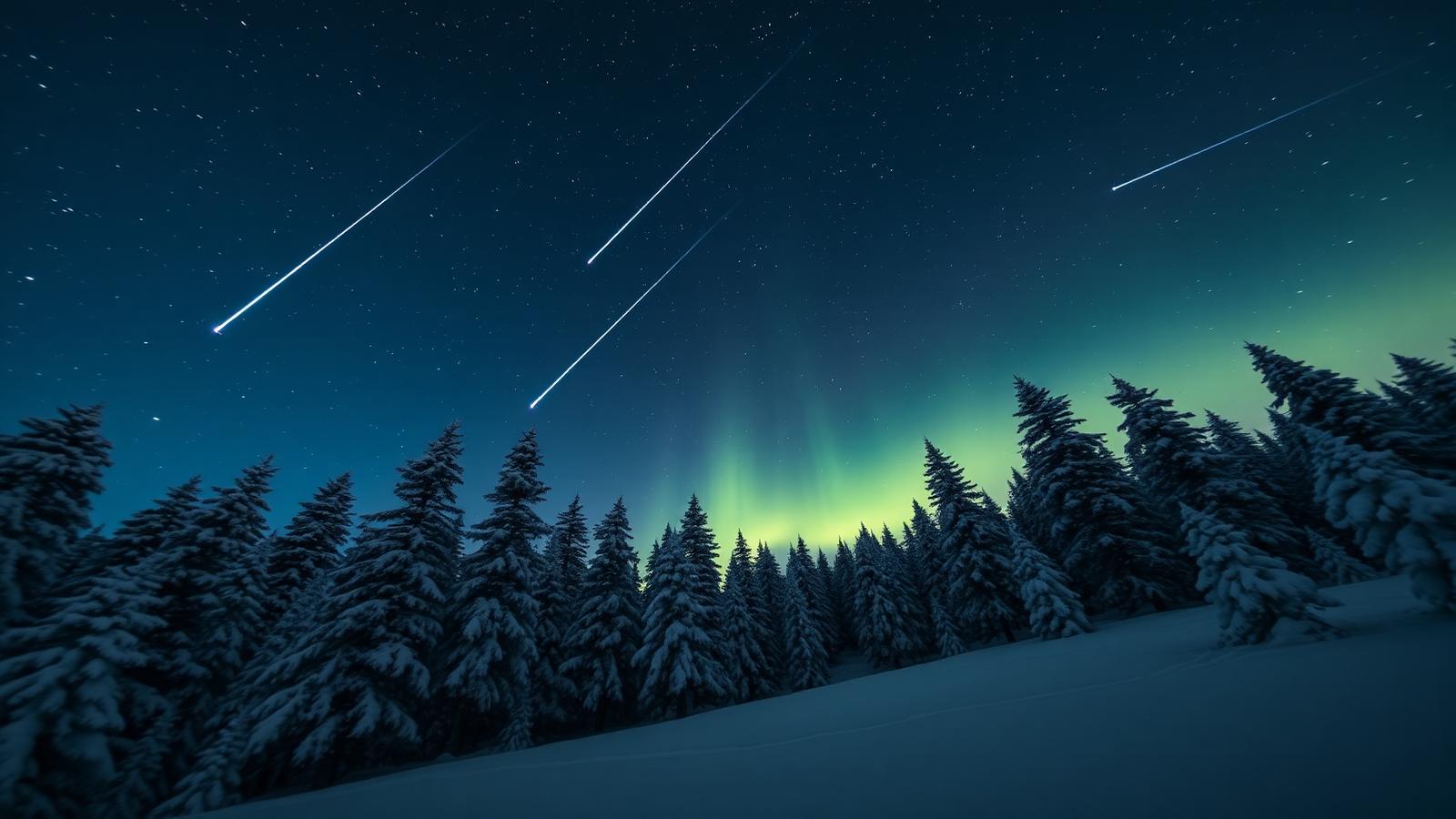
Geminid Meteor Shower 2026
The year's most productive shower — ~150 meteors/hour with the Moon out of the way after midnight.
Tonight answers
Live, location-aware guides
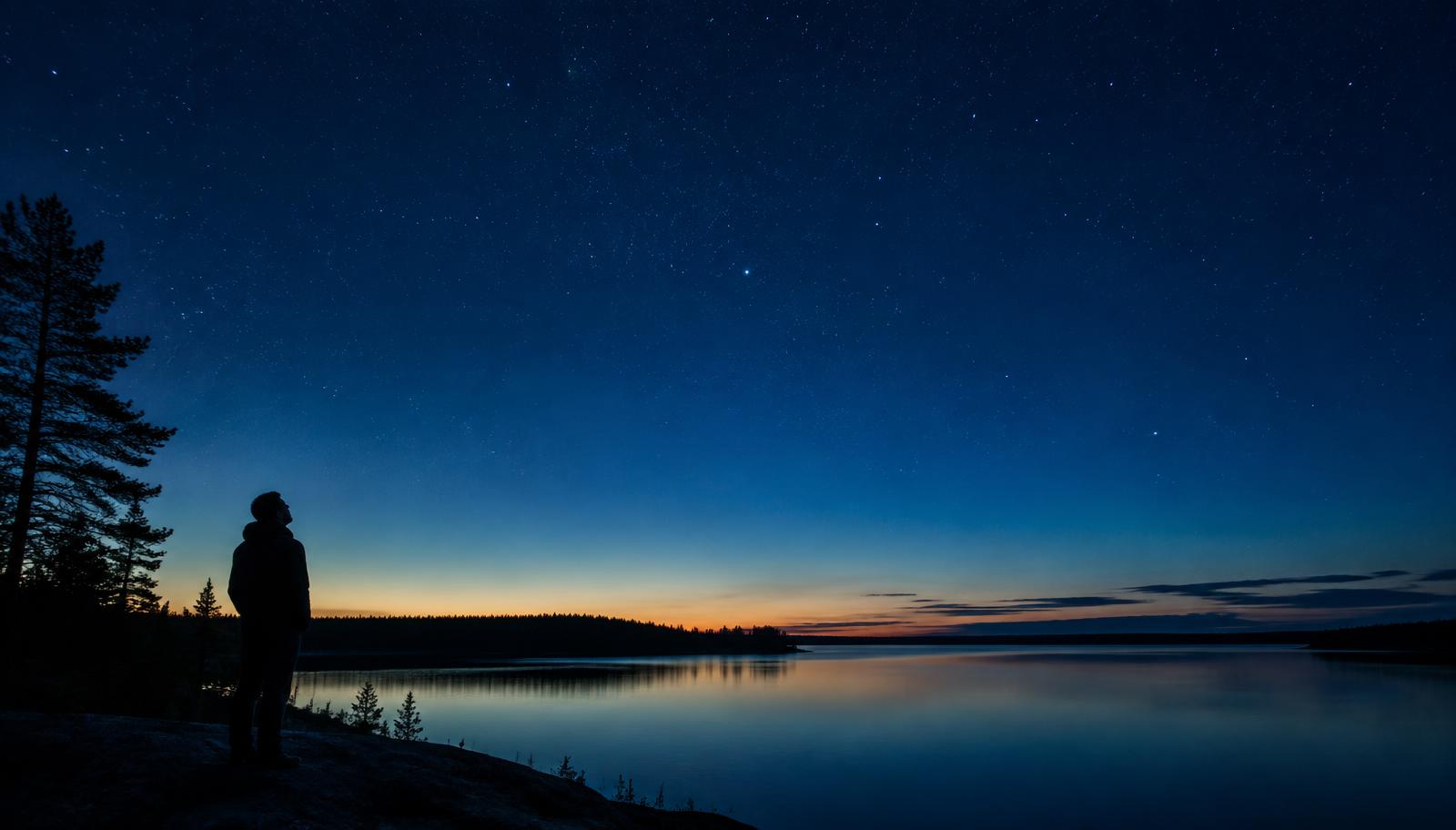
Best Time to Stargaze Tonight
Find tonight's best observing window from darkness, Moon and live cloud conditions.
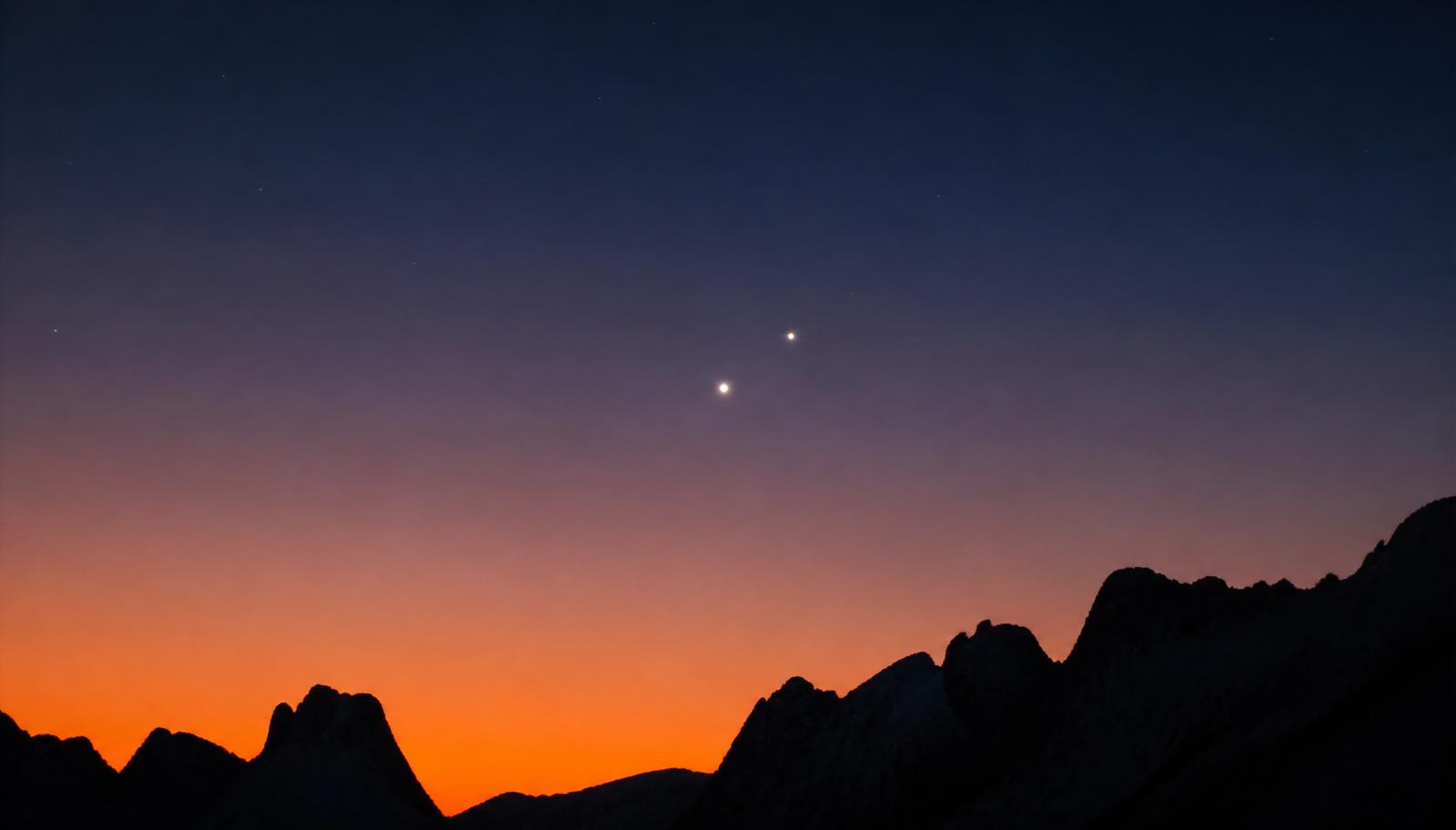
Planets Aligning Tonight
A live, location-aware guide to tonight's planetary conjunctions, where to look, and whether a real alignment is visible.
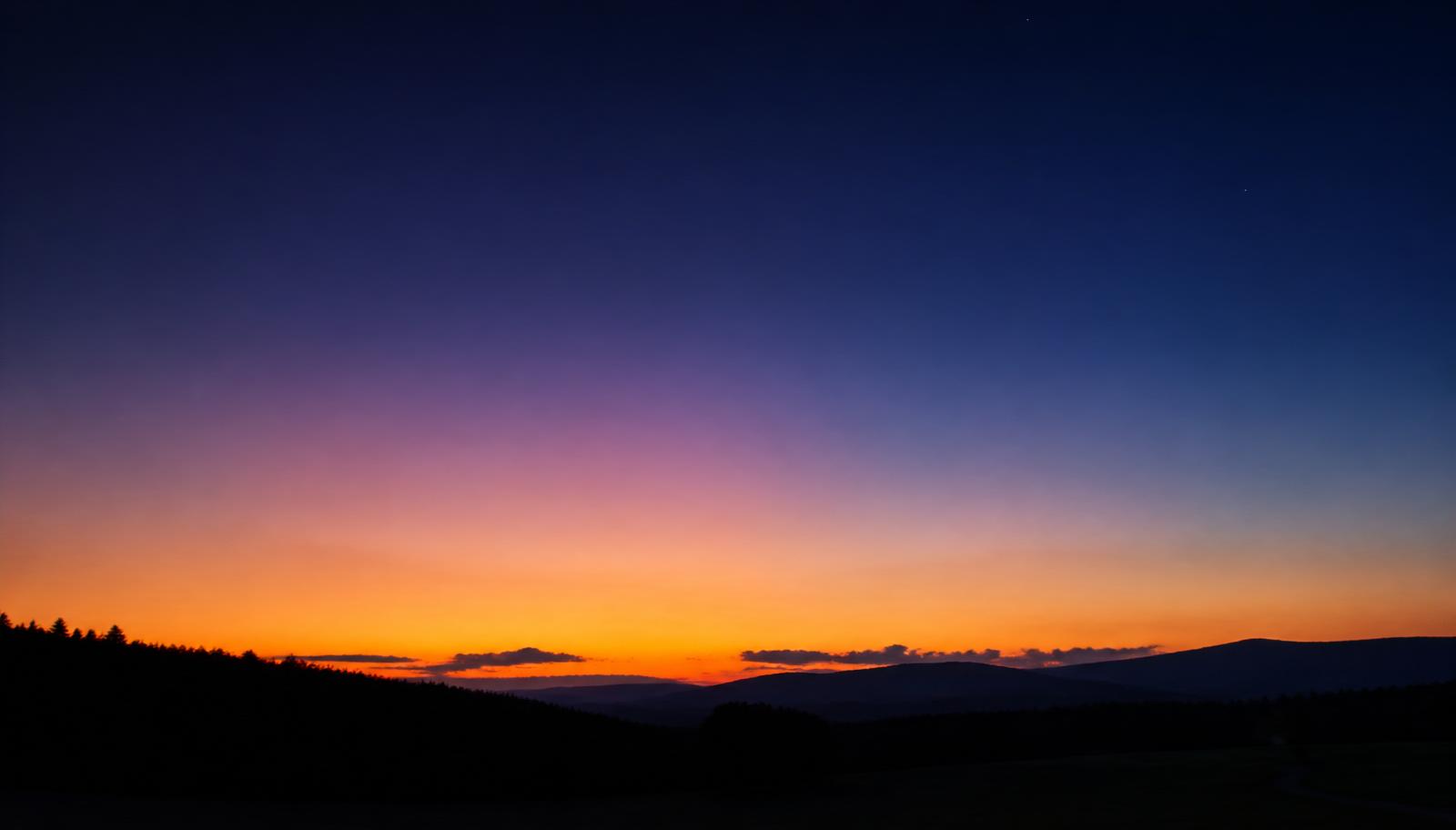
What Time Does It Get Dark Tonight?
Exact sunset, blue hour, nautical twilight and astronomical darkness times for your location, explained in plain language.
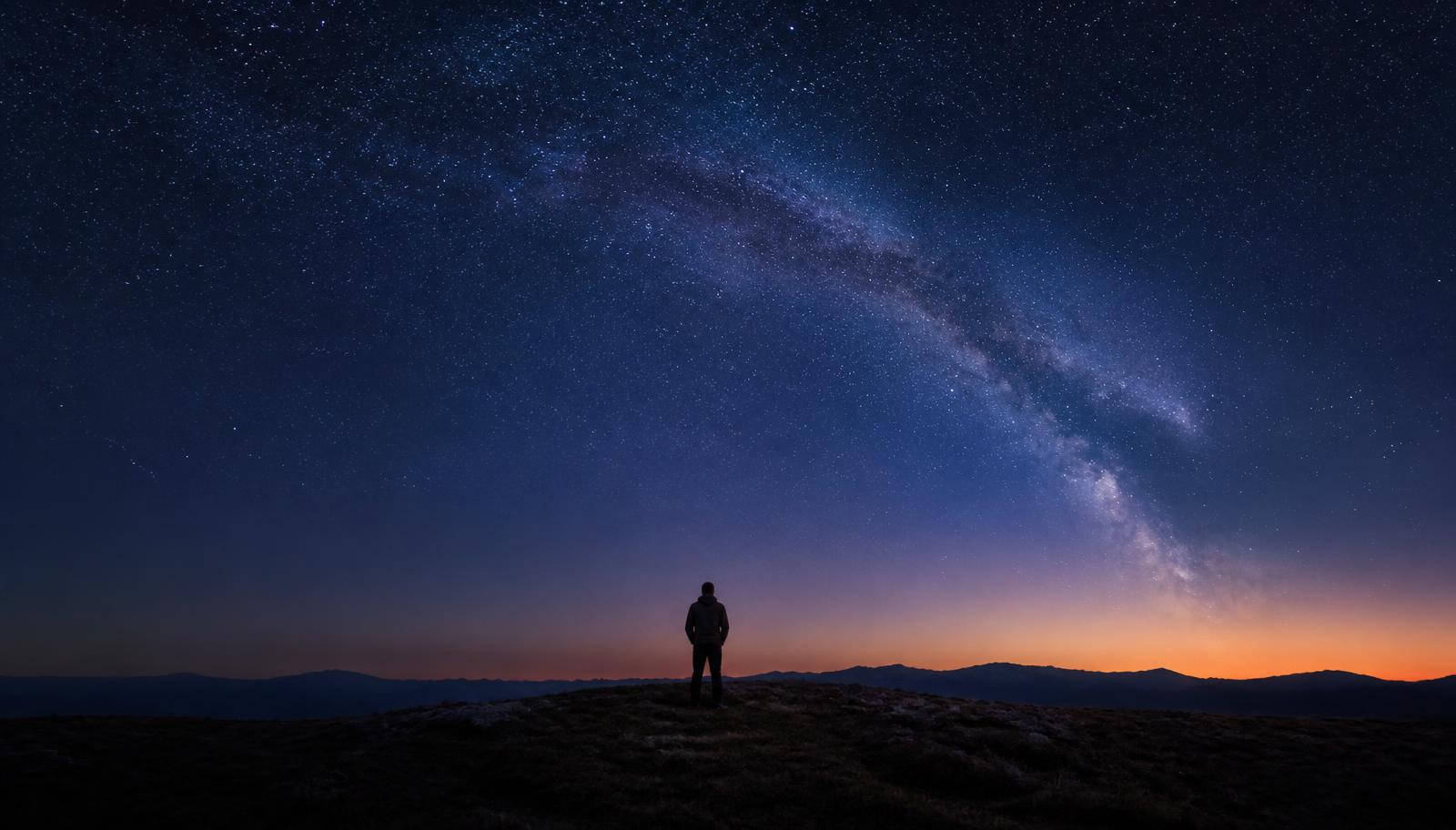
Stargazing Without a Telescope
What the unaided eye can actually see — magnitude 6.5, five planets, 2.5 million light years — and which of those are available tonight where you are.
Browse all
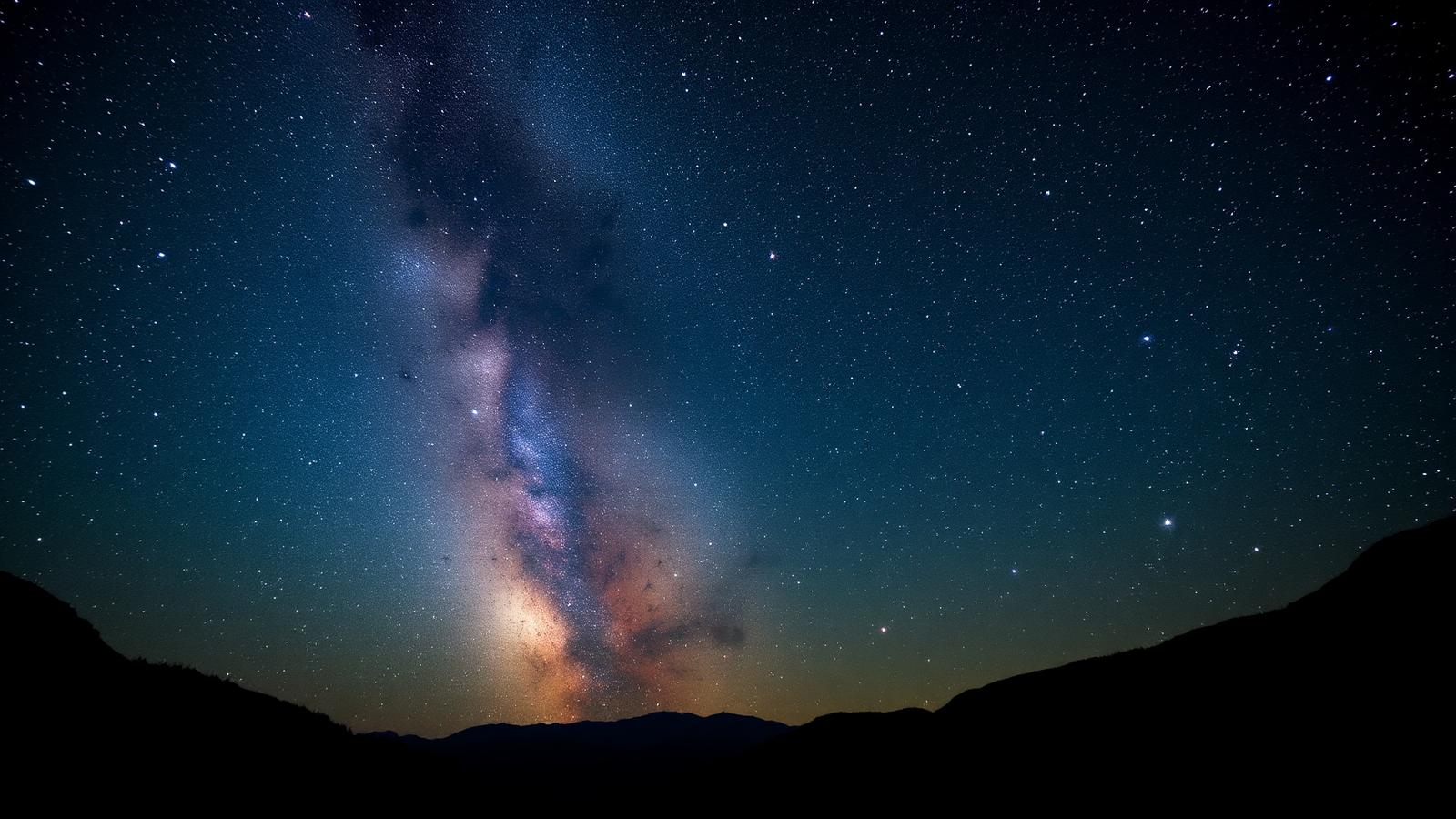
How to see the Milky Way with your own eyes
A practical, field-tested guide to spotting our galaxy — where to go, when to look, and how to actually see the galactic core with the naked eye.
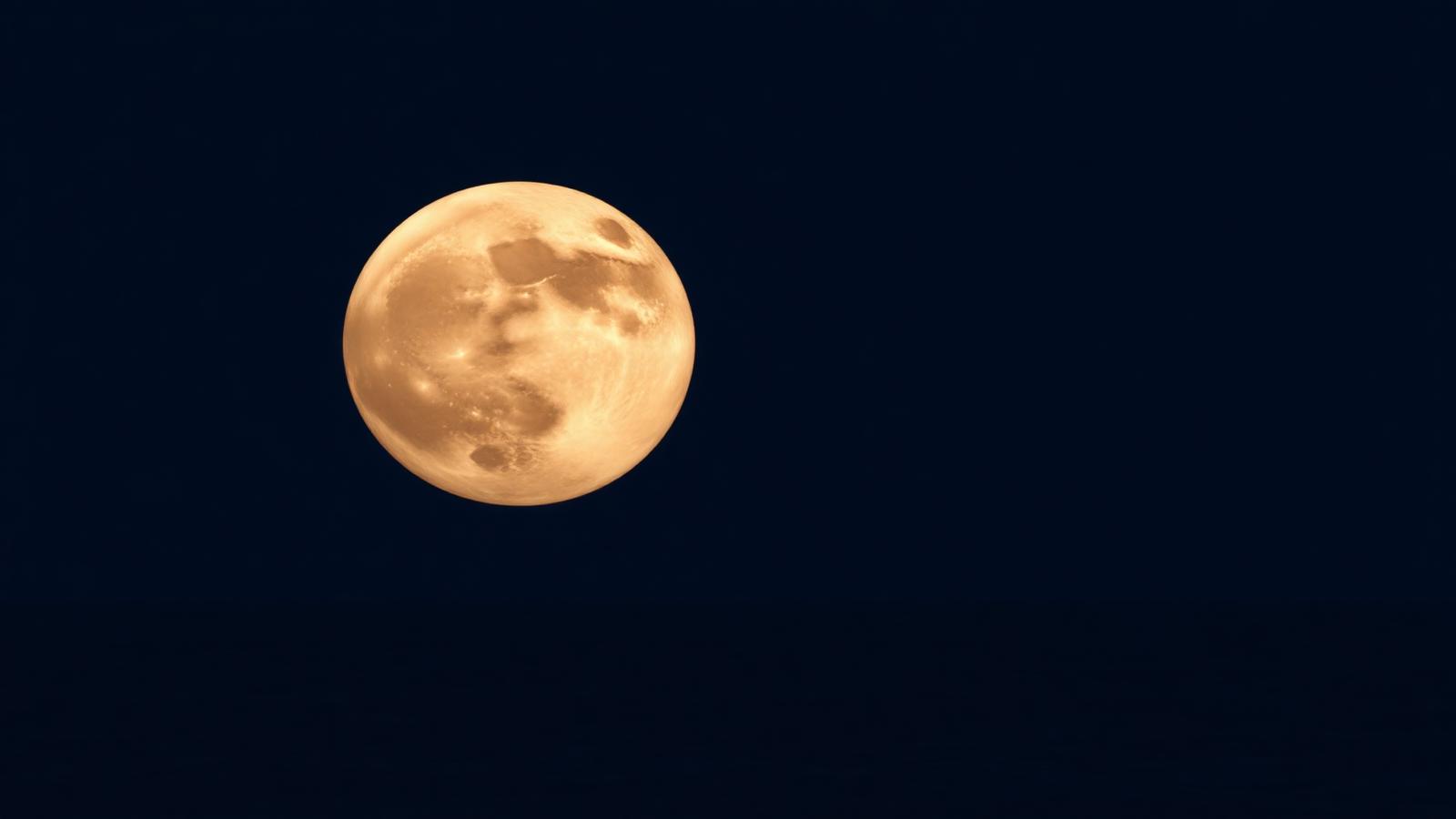
Moon phases, simply explained (and why they're not Earth's shadow)
Why the Moon changes shape night after night, what a supermoon really is, and how to remember which phase is waxing, waning, gibbous or crescent.
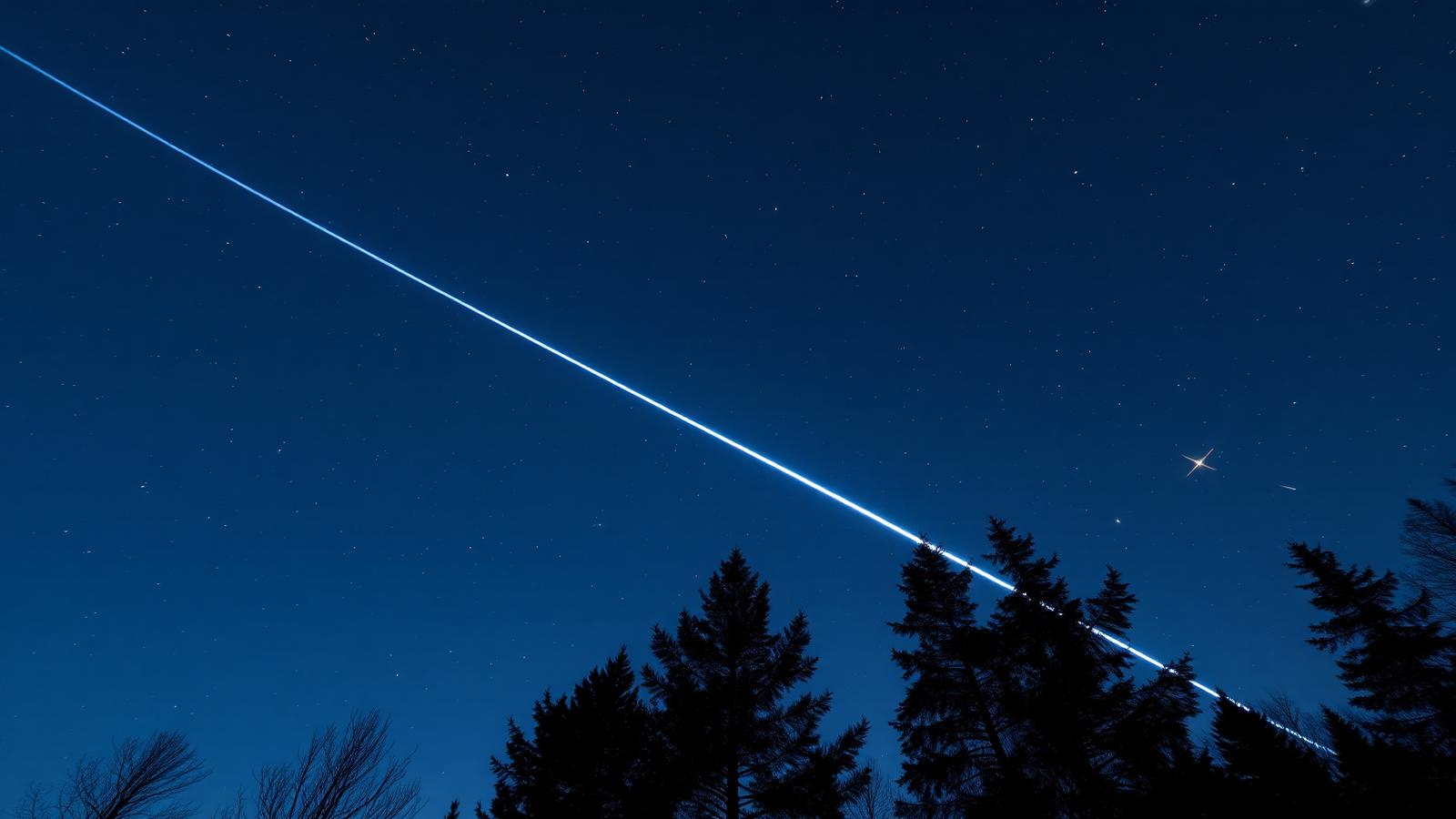
How to spot the International Space Station from your backyard
The ISS is the third-brightest object in the sky after the Sun and Moon. Here's how to catch a pass tonight — no telescope required.
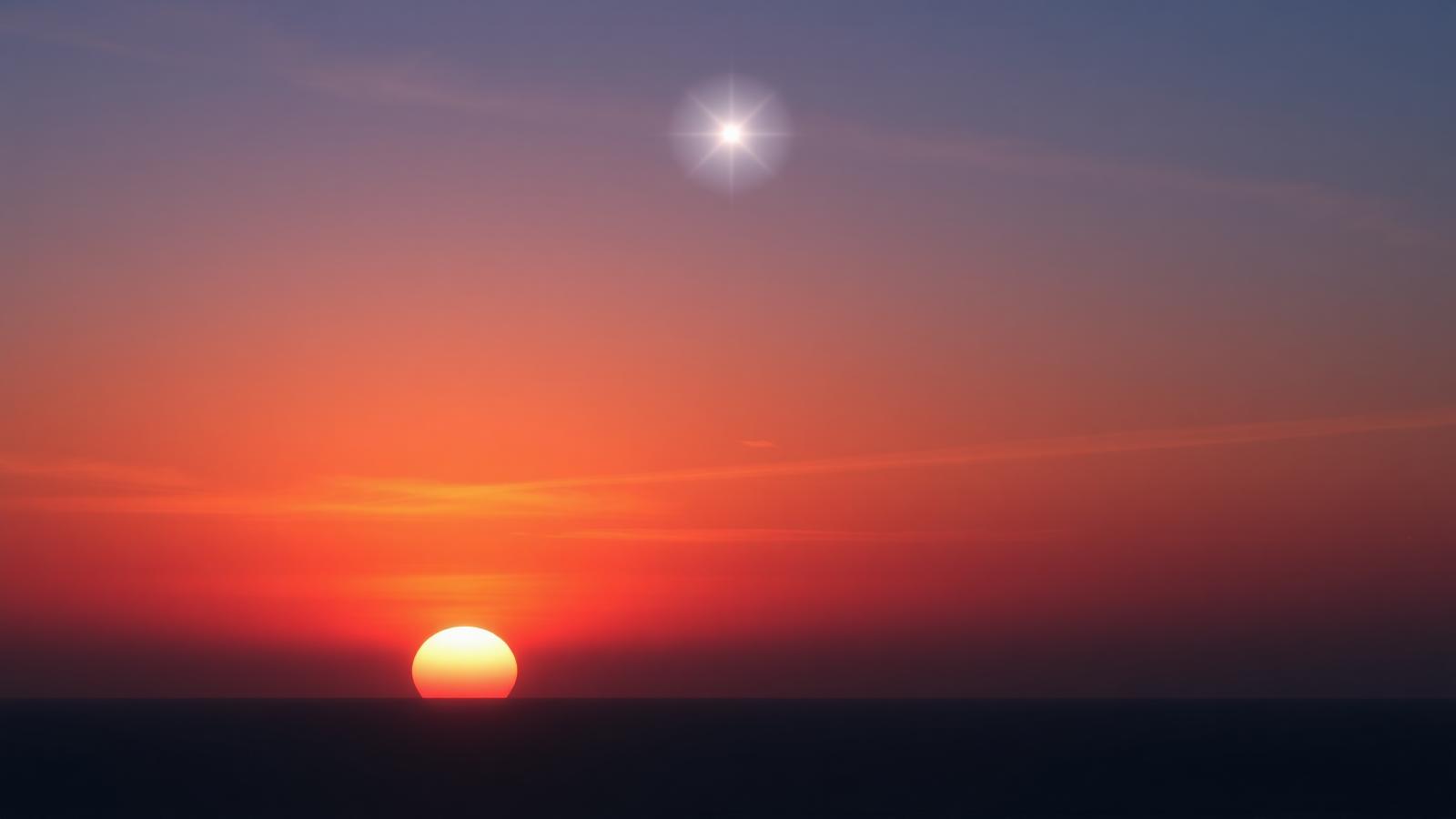
How to tell planets from stars with the naked eye
Two simple tests separate wanderers from fixed stars — plus how to identify Venus, Jupiter, Mars and Saturn without a chart.
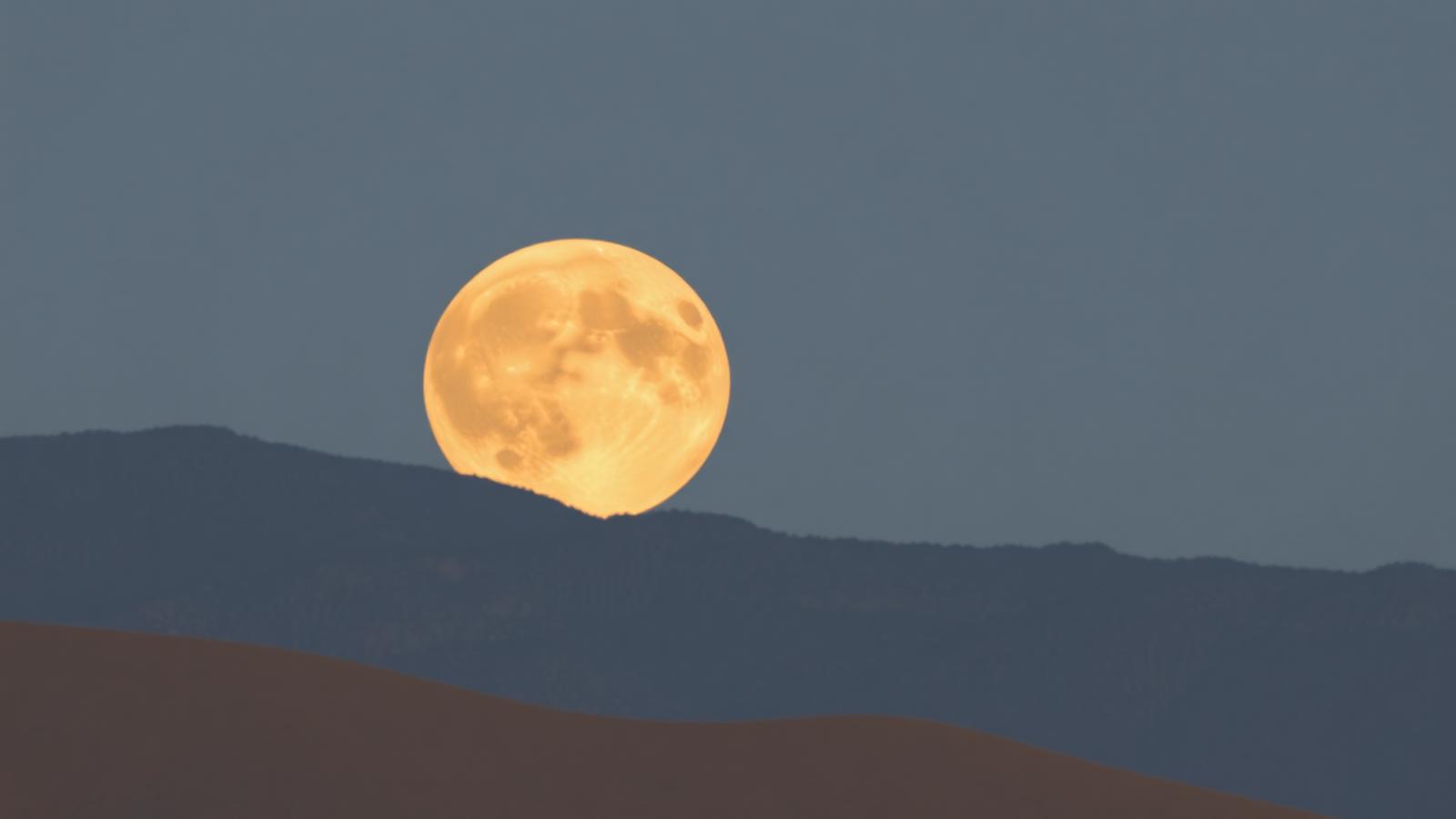
How to photograph the Moon with any camera
The Moon is bright — the trick is treating it like a daytime subject. Exposure settings, lens choices, and the best phases for detail.
Dark-adapt your eyes for real stargazing
Your eyes need 20–30 minutes of true darkness to unlock the faint sky. Here's the biology, the habits, and the mistakes that reset it.
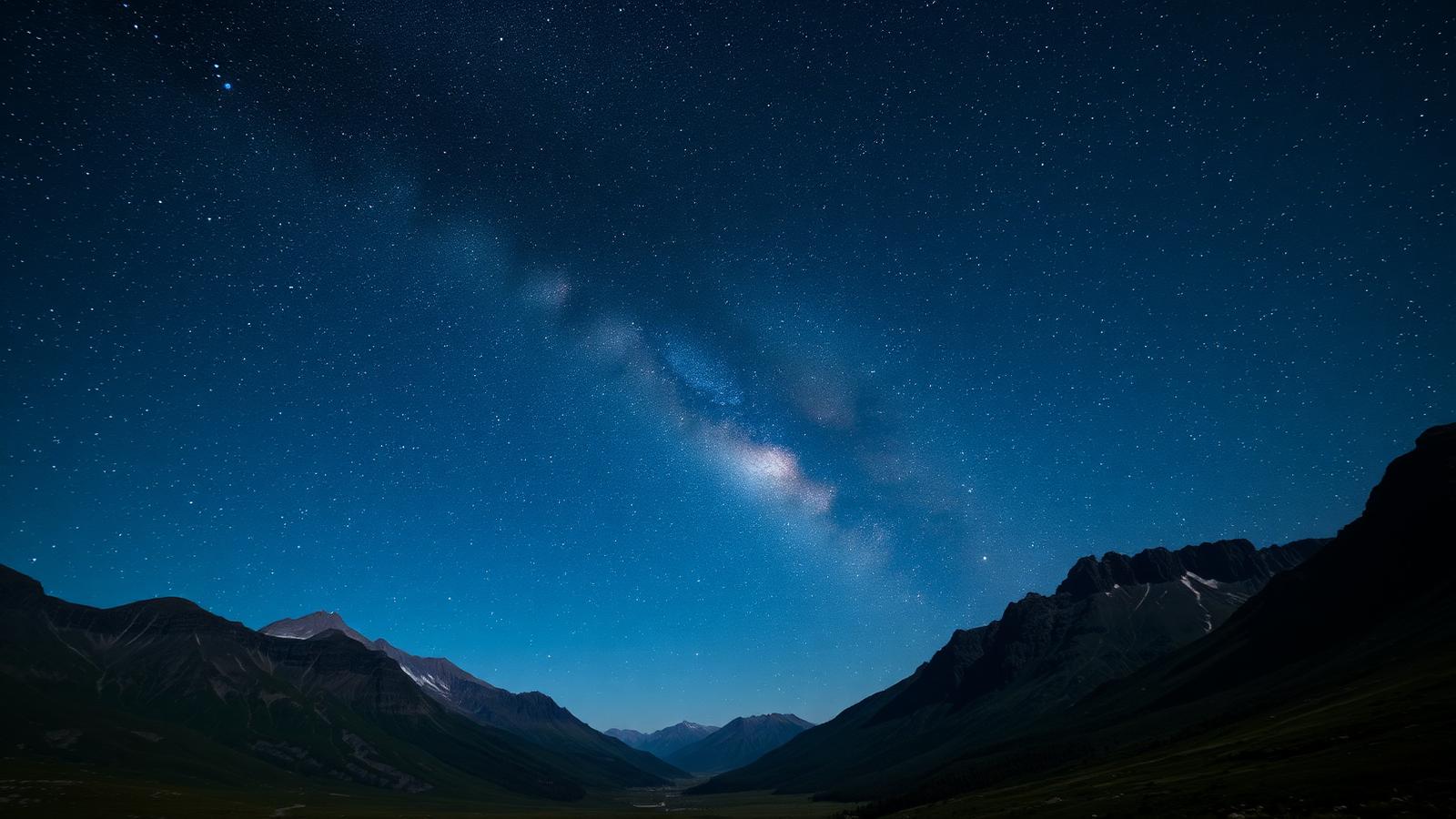
The Bortle scale: how dark is your sky, really?
The 1–9 scale astronomers use to describe night-sky darkness, what you can see at each level, and how far you need to drive to escape city light.
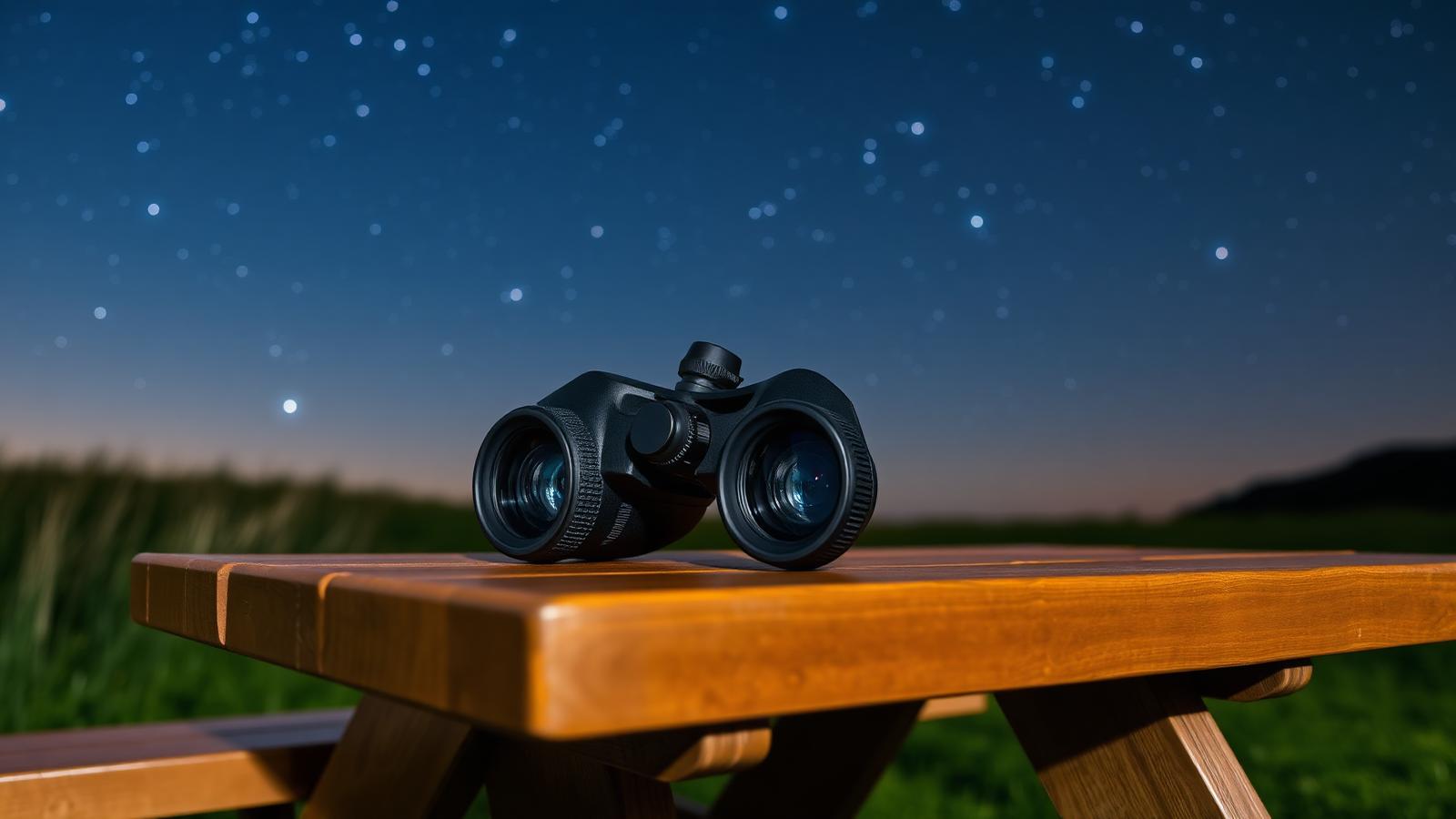
Your first pair of astronomy binoculars: what to buy and what to skip
Skip the telescope. A good pair of 10×50 binoculars will show you more, faster — and here's exactly what to look for and where to point them.
Learning paths
Short, ordered reading sequences — pick one and you'll get a coherent picture, not a random collection of tips.
Your first three nights outside
A short path from opening the door to spotting the Milky Way and Jupiter's moons.
Understand the Moon
From why it changes shape to photographing craters with your phone.
Escape the city lights
Learn how dark your sky actually is — and what a drive of 20 minutes can unlock.
Editorial promise
No sponsored posts, no affiliate placements sold as recommendations, no guest posts. Where an article makes a quantitative claim — a date, a magnitude, a distance, a time — we link back to a primary source (NASA/JPL, NOAA SWPC, ESA, IAU, or peer-reviewed literature) so you can check it yourself. If we get something wrong, email us and we'll fix it in public. Read the full editorial policy.